
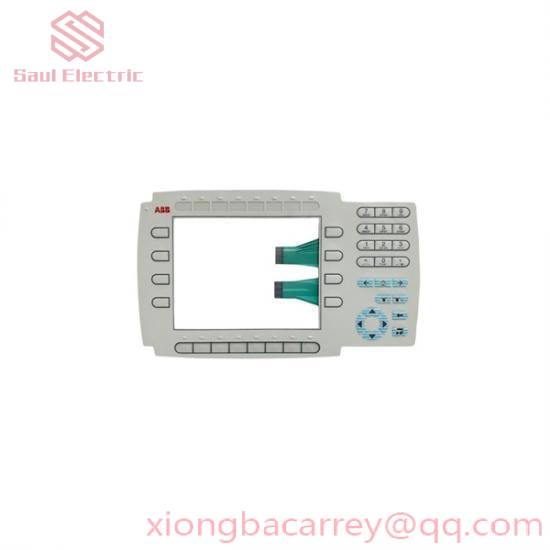
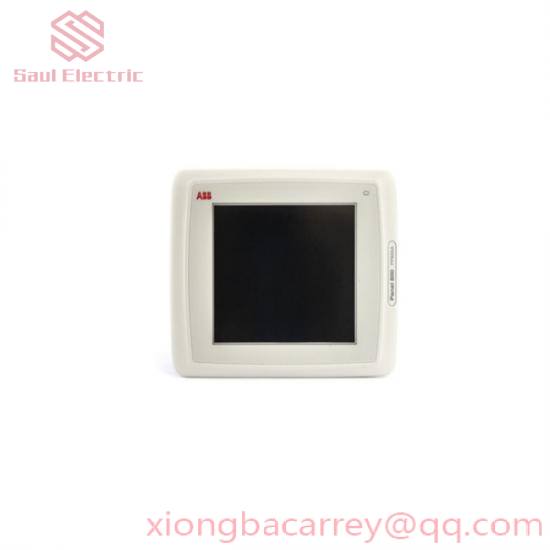
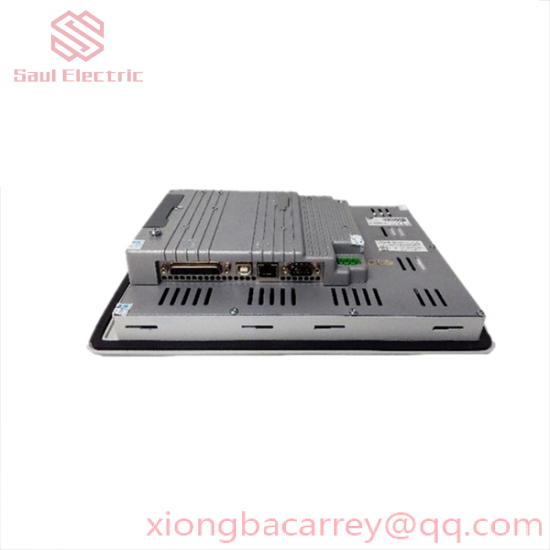
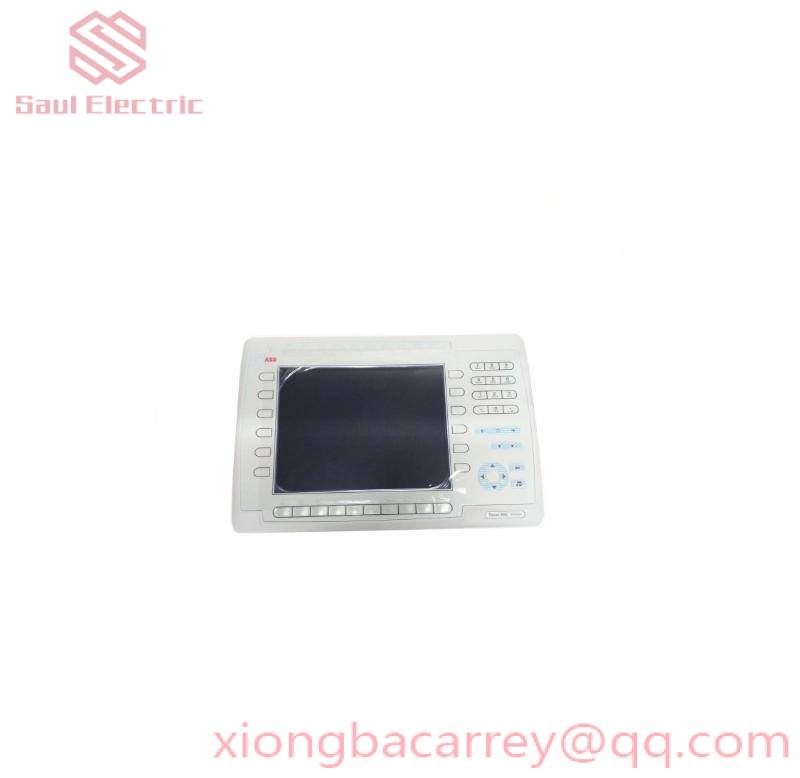
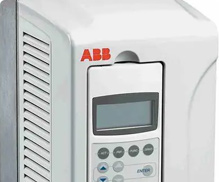
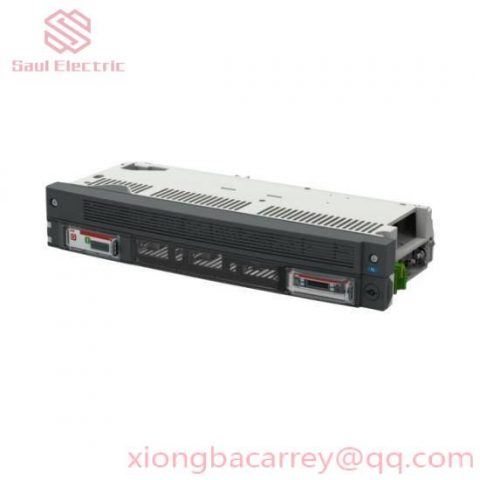
The REM615 HBMBCCAHNBA1ANN1XD is not simply an analog unit; it is typically a control unit within an ABB automation control system (such as the ABB 800xA system). However, this control unit is capable of processing analog signals. The following provides a detailed introduction to analog processing functions, technical specifications, application scenarios, configuration and debugging, and key maintenance points:
Analog Processing Functions
Signal Acquisition
It can connect to various types of analog sensors, such as thermocouples, RTDs, pressure transmitters, and flow transmitters, to acquire continuously changing physical signals such as temperature, pressure, flow, and liquid level at industrial sites.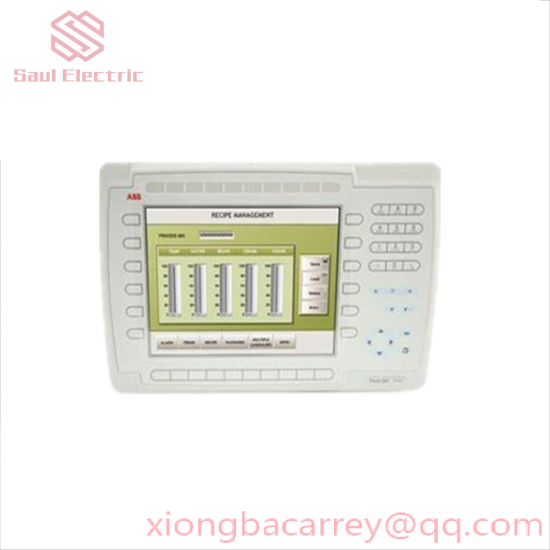
It performs pre-processing on weak analog signals, including amplification and filtering, to improve signal quality and interference immunity, ensuring accurate and reliable data.
Signal Conversion
It converts the acquired analog signals into digital signals for processing by the microprocessor within the control unit. Using a high-precision analog-to-digital converter (ADC), it achieves high-resolution signal conversion and reduces conversion errors.
Digital control signals within the control unit can also be converted into analog signals and output to actuators (such as electric control valves and frequency converters), achieving precise control of industrial processes.
Data Processing and Analysis
Real-time processing and analysis of collected analog data, such as calculating statistical quantities such as average, maximum, minimum, and variance, are performed to monitor and evaluate the operating status of industrial processes.
Supporting various control algorithms, such as PID control, fuzzy control, and neural network control, the system precisely controls analog quantities based on the set control objectives and process requirements, ensuring that the controlled parameters remain stable near their set values.
Technical Parameters
Input and Output Ranges
Analog input channels typically have a wide input range to accommodate sensor signals of varying ranges. For example, some channels accept standard signals such as 0-10V and 4-20mA, but can also be customized to meet specific needs.
Analog output channels also offer a flexible output range, capable of outputting signals such as 0-10V and 4-20mA to drive various actuators.
Accuracy
The accuracy of analog-to-digital conversion and digital-to-analog conversion is a key performance indicator for analog units. Generally speaking, the REM615 HBMBCCAHNBA1ANN1XD control unit offers high analog input and output accuracy, meeting the precision requirements of industrial automation control. For example, the analog-to-digital conversion resolution can reach 12 bits or higher, with a relatively small conversion error.
Sampling Frequency
This determines the speed at which the control unit acquires analog signals. A higher sampling frequency more accurately captures changes in analog signals and is suitable for industrial processes requiring high dynamic response. The analog sampling frequency of this control unit can be adjusted based on actual needs to meet the requirements of various application scenarios.
Application Scenarios
Power Industry
In power plants, it is used to monitor and control parameters such as boiler temperature, pressure, and water level. By accurately acquiring these analog signals and adjusting combustion control and water supply control systems in real time, it ensures safe and stable boiler operation and improves power generation efficiency.
In substations, analog parameters such as temperature, current, and voltage of power equipment are monitored to promptly detect abnormalities such as overheating and overload, enabling appropriate protective measures to ensure the safe operation of the power system.
Chemical Industry
Control key parameters such as reaction temperature, pressure, and flow rate in chemical production processes. For example, in chemical reactors, analog units precisely control reaction temperature and pressure to ensure that the chemical reaction proceeds according to predetermined process conditions, improving product quality and production safety.
Monitoring fluid flow and level in chemical pipelines enables automated control of material transportation and storage, preventing accidents such as leaks and spills.
Manufacturing
On automated production lines, operating parameters of production equipment such as spindle speed, feed rate, and processing temperature are monitored and controlled. Real-time adjustment of these parameters ensures process stability and consistent product quality.
In processes such as heat treatment and coating, environmental parameters such as temperature and humidity are precisely controlled to ensure that product performance and quality meet requirements. Configuration and Debugging
Hardware Configuration
Select appropriate analog input/output modules based on actual needs and properly install them on the REM615 HBMBCCAHNBA1ANN1XD control unit chassis. Ensure the connection between the module and the control unit is secure and reliable to avoid problems such as poor contact.
When connecting analog sensors and actuators, pay attention to wiring accuracy and polarity to avoid incorrect wiring that could damage the device or cause signal abnormalities.
Software Configuration
Use ABB-provided configuration software (such as Control Builder) to set analog channel parameters, including input and output ranges, range conversion, and alarm thresholds.
Configure the control algorithm and logic. Based on the control requirements of the industrial process, select the appropriate control strategy and set the corresponding control parameters.
Debugging Process
Calibrate the analog signals to ensure that the acquired signals accurately reflect the actual physical quantities. By inputting a standard signal source, adjust the analog unit’s calibration parameters so that the displayed value is consistent with the actual value.
Perform system integration debugging, connecting the analog unit with other control units, human-machine interface, and other devices for overall debugging. Check whether analog signal transmission and processing are normal, whether control functions are functioning, and promptly resolve any issues that arise during debugging.
Maintenance Key Points
Regular Inspections
Regularly check the operating status of the analog unit, observe the indicator lights, and check for any alarms. Check for loose connections on the analog input and output channels to ensure proper signal transmission.
Cleaning and Maintenance
Regularly clean the analog unit’s housing and interior to remove dust and maintain a clean and hygienic environment. Avoid dust accumulation that can affect heat dissipation and signal transmission.
Calibration and Maintenance
Regularly calibrate the analog unit to ensure measurement accuracy and control performance. Establish a reasonable calibration cycle based on the device’s usage and accuracy requirements, and follow the calibration procedures.
Spare Parts Management
Stock a sufficient number of commonly used spare parts, such as analog modules and cables, so that they can be replaced promptly in the event of a malfunction, minimizing downtime.
Related product recommendations:
HIEE300888R0001
UAC389AE01 HIEE300888R0001
REM610C55HCNN02 800xA
LDSTA-01
XVC768101 3BHB007211R101
CI532V09
3BHE006414R0001
XVC770AE 3BHE006414R0001
HIEE401782R0001
LTC391AE01 HIEE401782R0001
3BHB018008R0003
S-113H 3BHB018008R0003
More…


There are no reviews yet.